+86 18802043556
  info@gzsummitek.com
 en
en  zh
zh  it
it  es
es  th
th  tr
tr  ja
ja  pt
pt  ko
ko  ru
ru  fr
fr  fa
fa  ar
ar 

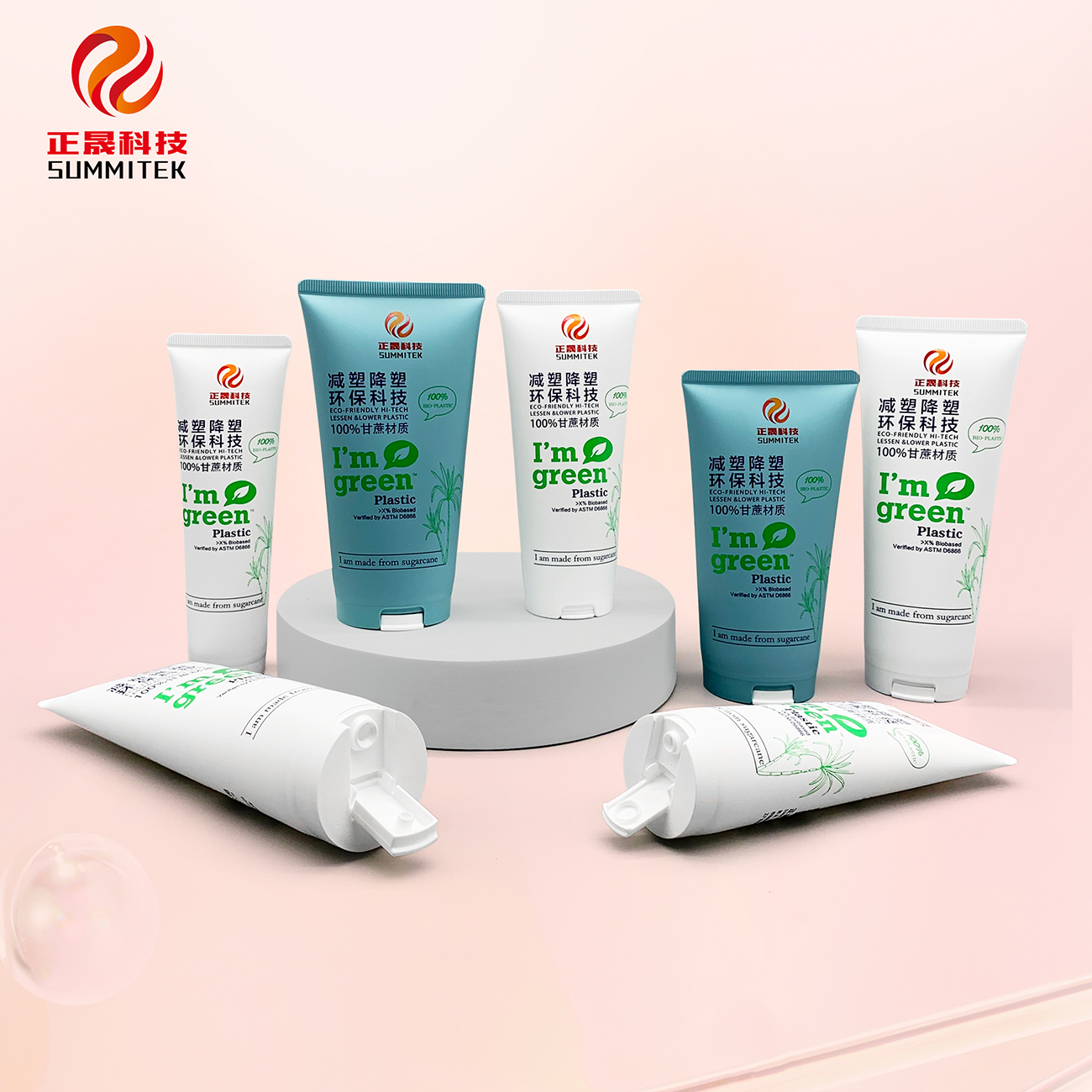
Sustainable Sugarcane Cosmetic Tube vs. Conventional PE Tube
Learn more >
Sunscreen formulations contain active ingredients and other components that require suitable packaging to maintain product quality throughout storage, transportation, and daily use. Selecting the right packaging is particularly important for brands developing facial sunscreens, body lotions, and other sun protection products.
Laminated sunscreen tubes offer a practical packaging solution by combining multiple material layers to provide barrier protection, convenient dispensing, and flexible customization. For cosmetic brands and private-label manufacturers, choosing the right laminated tube can help support formulation stability while delivering a reliable user experience.
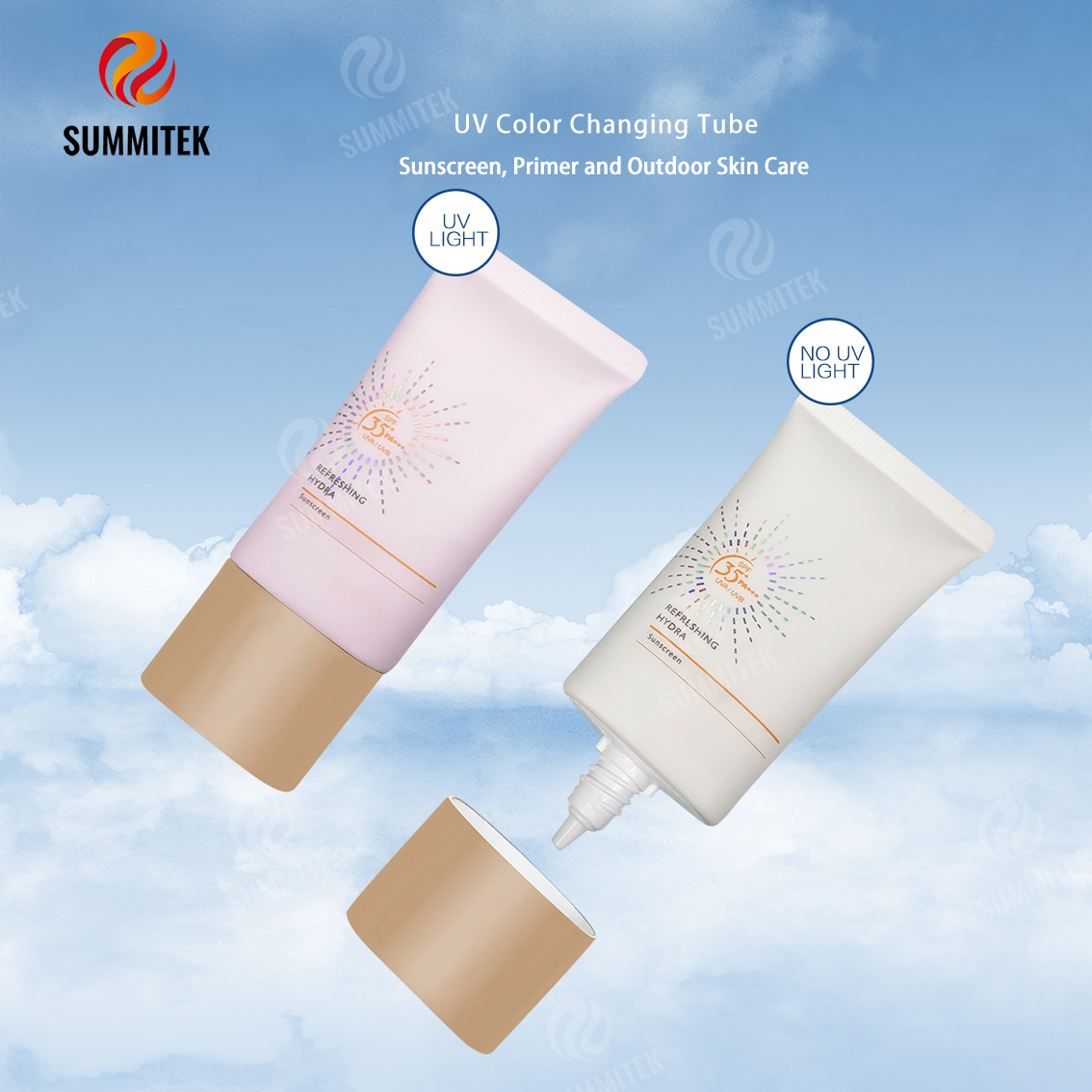
Sunscreen formulations may be affected by exposure to oxygen, moisture, and other environmental factors. Depending on the formulation, these factors can contribute to changes in color, odor, texture, or ingredient stability.
Laminated tubes use multiple material layers designed to provide different protective functions. Depending on the structure, they can help reduce the transmission of oxygen, moisture, and other external influences.
For products with specific barrier requirements, aluminum barrier laminate (ABL) tubes may be worth considering. Plastic barrier laminate (PBL) tubes offer another option for brands seeking a multilayer packaging structure without an aluminum barrier layer.
The appropriate choice depends on the formulation, required shelf life, storage conditions, and packaging performance specifications.
Different sunscreen formulations have different packaging requirements. Mineral sunscreens, chemical sunscreens, moisturizing sun protection creams, and lightweight sunscreen lotions may vary in their ingredient composition and compatibility with packaging materials.
Selecting a laminated tube should therefore involve more than evaluating its appearance or price. Brands should consider the interaction between the formulation and the tube's inner contact layer, as well as the performance of the complete packaging system.
Compatibility testing can help identify potential issues such as ingredient interaction, material swelling, discoloration, leakage, or changes in product texture during storage.
By matching the tube structure to the formulation, manufacturers can make more informed packaging decisions and reduce the risk of compatibility problems during commercial production.
Some sunscreen ingredients and formulation components may be sensitive to light. Excessive light exposure can affect their stability, depending on the specific ingredients and formulation.
The degree of light protection provided by a laminated tube depends on its material composition, layer structure, thickness, and overall opacity. Aluminum-containing laminate structures can provide strong light-barrier performance when appropriately designed, while other laminate structures may offer different levels of protection.
Brands should evaluate light transmission requirements according to the formulation's stability data rather than assuming that every laminated tube provides the same level of protection.
Choosing suitable packaging can complement a formulation's stability strategy and help maintain product quality under the intended storage conditions.
Packaging performance depends not only on barrier materials but also on the quality of the tube's seals, shoulder, cap, and closure system.
A well-designed laminated sunscreen tube helps contain the formulation during filling, transportation, retail display, and everyday use. Appropriate sealing and closure design can reduce the risk of leakage and limit unwanted external exposure during normal handling.
When selecting sunscreen tube packaging, brands should pay attention to:
Tube sealing quality: Consistent seals help prevent product leakage.
Cap and closure compatibility: The closure should fit the tube design and intended dispensing method.
Transportation durability: Packaging should withstand expected handling and distribution conditions.
Dispensing performance: The opening should allow convenient product application without excessive squeezing or unnecessary waste.
Leakage, seal integrity, and transportation tests can help verify whether the selected packaging meets the product's requirements.
In addition to product protection, laminated sunscreen tubes can be customized to suit different product positioning and consumer preferences.
For example, compact tubes may suit travel-size sunscreens, while larger capacities may be appropriate for everyday body sun protection products. Different tube shapes, openings, and closures can also support different dispensing requirements.
Custom printing and surface finishes allow brands to create packaging that aligns with their visual identity. Color matching, logo printing, and other decorative options can help distinguish a product range while maintaining a consistent brand presentation.
For brands developing new sunscreen products, packaging customization should balance appearance, functionality, material compatibility, and manufacturing feasibility.
Choosing suitable packaging requires a comprehensive evaluation of the formulation and the intended application. Before placing a bulk order, cosmetic brands and product developers should review several key factors.
Material structure: Compare available laminate options according to oxygen, moisture, and light-barrier requirements.
Formulation compatibility: Confirm that the inner contact material is suitable for the sunscreen formula through appropriate compatibility testing.
Tube capacity and dimensions: Select a size that matches the intended application, dispensing volume, and market positioning.
Closure design: Evaluate the cap, opening, and sealing structure for convenient use and reliable containment.
Quality testing: Assess leakage resistance, seal integrity, transportation durability, and product stability in the final packaging.
Customization requirements: Confirm printing, colors, tube dimensions, and other specifications before sample approval and mass production.
These considerations help brands select packaging that supports product quality, usability, and consistent production.
Summitek provides sunscreen tube packaging options for cosmetic brands seeking functional and customizable packaging for sun protection products.
Its sunscreen tube range includes options such as flat tubes and long-nozzle laminated tubes, with material and design choices depending on the specific product. These formats can support different dispensing preferences and packaging requirements.
For brands evaluating laminated sunscreen tubes, the selection process should begin with the formulation's barrier requirements, material compatibility, target capacity, and intended user experience.
Working with a packaging supplier early in product development can also help streamline sample evaluation, specification confirmation, and preparation for bulk production.
Explore Summitek's Sunscreen Tubes to review available packaging options and identify a suitable solution for your sunscreen product line.