+86 18802043556
 info@gzsummitek.com

 en
 zh
 it
 es
 th
 tr
 ja
 pt
 ko
 ru
 fr
 fa
 ar


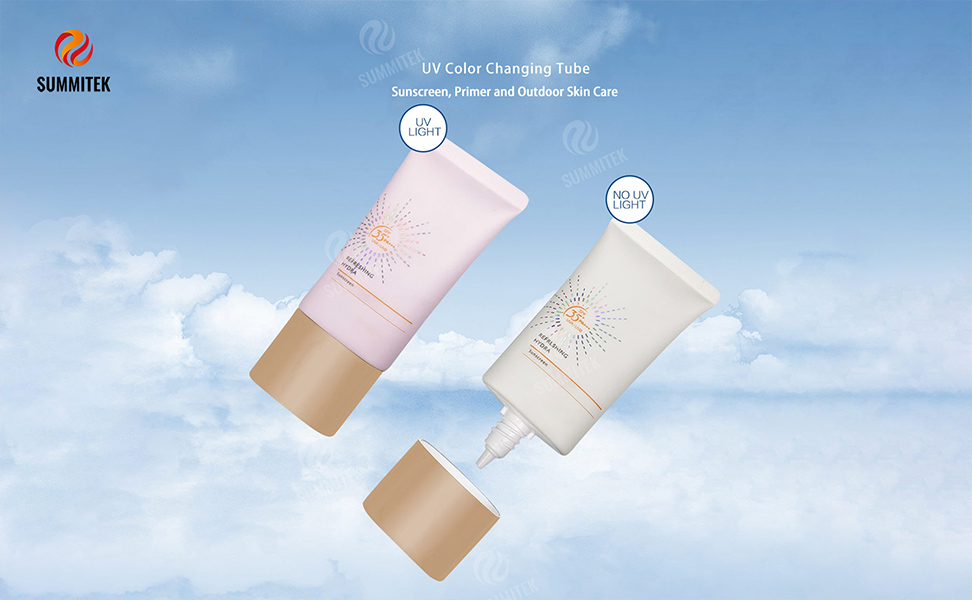
How Laminated Sunscreen Tubes Help Protect Sensitive Formulations?
Learn more >
Foundation packaging plays an important role in product presentation, dispensing convenience, and the overall user experience. For cosmetic brands developing liquid foundation, lightweight base makeup, or other complexion products, oval pump cosmetic tubes offer a distinctive packaging option that combines a streamlined shape with a pump dispensing system.
When selecting packaging for foundation, brands need to consider more than appearance. Formula compatibility, pump performance, tube capacity, material selection, decoration, and sealing requirements all influence the final packaging solution.
At Summitek, our PE Oval Pump Tube provides a product option for brands exploring oval-shaped cosmetic packaging. The following seven considerations can help cosmetic manufacturers, product developers, and packaging buyers evaluate whether this format suits their foundation products.
Foundation formulas vary considerably in viscosity, texture, and composition. Some are lightweight and fluid, while others are thicker or contain pigments and other dispersed ingredients. These differences can affect how smoothly a pump dispenses the product.
Before selecting an oval pump cosmetic tube, brands should evaluate:
Formula viscosity: Confirm that the pump can handle the foundation's consistency under normal use conditions.
Dispensing volume: Determine how much product should be released with each pump for the intended application.
Priming performance: Check how consistently the pump begins dispensing after initial use or a period of storage.
Dispensing consistency: Test whether the pump delivers a reasonably consistent amount throughout repeated use.
Clogging risk: Evaluate the pump's suitability for the specific formula, particularly when pigments or other suspended ingredients are present.
Practical dispensing tests using the actual foundation formula are essential. A pump that performs well with a lightweight lotion may not necessarily deliver the same results with a thicker or pigment-rich foundation.
Packaging shape contributes to product differentiation, especially in a competitive beauty market. Compared with conventional round tubes, oval cosmetic tubes provide a different visual profile that brands can incorporate into their packaging design.
For foundation products, an oval format may support several branding objectives:
Distinctive shelf presentation: The elongated profile can help establish a recognizable packaging silhouette.
Comfortable handling: The shape can influence how the tube feels in the hand during everyday application.
Brand identity: Custom colors, graphics, and surface finishes can reinforce the visual language of a makeup collection.
Packaging consistency: An oval pump tube can be considered when developing coordinated packaging across complexion or skincare product lines.
However, shape selection should also account for stability, filling equipment, storage, transportation, and compatibility with the selected pump assembly. The final design should balance visual appeal with practical manufacturing requirements.
Material selection is another important consideration when developing foundation packaging. PE, or polyethylene, is widely used in cosmetic packaging, but its suitability depends on the specific formulation, tube construction, and intended storage conditions.
When evaluating a PE oval pump tube for foundation, brands should review the following factors:
Formula compatibility: Test the interaction between the foundation and the packaging's product-contact materials. Pay attention to changes in color, odor, texture, and other relevant quality indicators.
Barrier requirements: Consider whether the foundation requires additional protection against oxygen, moisture loss, or other environmental influences. The necessary protection level depends on the formula and its stability requirements.
Mechanical performance: Evaluate the tube's resistance to deformation during filling, transportation, storage, and repeated handling.
Regulatory requirements: Confirm that the selected packaging materials meet the applicable requirements for the intended market and cosmetic application.
PE should not automatically be assumed to provide the same barrier performance as every multilayer or specialized packaging structure. If the foundation has demanding stability requirements, packaging compatibility and stability testing should guide the final decision.
Foundation packaging capacity affects portability, perceived value, product positioning, and the number of applications available to consumers.
A smaller tube may suit travel-oriented makeup, promotional products, or trial sizes. A larger format may be more appropriate for products intended for frequent use or specific professional applications.
Before confirming the tube capacity, consider:
Target customer: Identify whether the product is designed for everyday consumers, professional makeup artists, or travel-oriented users.
Usage frequency: Estimate how much foundation customers are likely to use per application.
Product positioning: Align the package size with the brand's intended retail price and market segment.
Filling requirements: Confirm the nominal capacity, actual filling volume, and available headspace with the packaging supplier.
Distribution conditions: Consider shipping dimensions, secondary packaging, and retail display requirements.
The appropriate capacity should be determined by the product concept and validated against the supplier's available specifications rather than selected on appearance alone.
Foundation packaging often needs to communicate product quality, shade identity, and brand positioning at a glance. The tube's surface design can help achieve these goals while ensuring that essential product information remains easy to read.
Potential customization considerations include:
Color matching: Coordinate the tube color with the brand's visual identity or foundation shade range.
Logo presentation: Choose a logo size and placement that remain visible on the oval surface.
Printing and decoration: Evaluate suitable printing methods and finishes according to the tube material and supplier capabilities.
Information layout: Reserve sufficient space for product names, shade identifiers, ingredient information, and other required labeling.
Finish selection: Consider matte, glossy, or other available finishes based on the desired visual effect.
For brands offering multiple foundation shades, a consistent tube structure combined with clearly differentiated shade labels can help consumers identify the correct product.
Decoration samples should be reviewed before mass production to confirm color accuracy, print adhesion, legibility, and overall appearance.
Foundation packaging must remain reliable throughout filling, distribution, storage, and consumer use. Leakage or inconsistent dispensing can affect customer satisfaction and create avoidable product losses.
When evaluating an oval pump cosmetic tube, brands should establish a packaging validation plan covering several areas.
Pump-to-tube connection: Verify that the selected pump assembly fits the tube neck and maintains a reliable connection.
Leakage resistance: Test the complete package under appropriate storage, orientation, handling, and transportation conditions.
Repeated-use performance: Check pump operation over repeated dispensing cycles and assess whether performance remains consistent.
Transportation simulation: Evaluate the package under conditions representative of the intended distribution process.
Formula stability: Where appropriate, conduct compatibility and stability studies using the filled package under defined storage conditions.
Testing should reflect the actual foundation formula, packaging configuration, and distribution environment. A package that passes an initial visual inspection may still require additional testing before commercial release.
Selecting a cosmetic tube supplier involves more than comparing unit prices. Brands should evaluate whether the supplier can provide the technical information, customization support, and quality controls required for the project.
Before placing a bulk order, ask the supplier about:
Available tube capacities and dimensional specifications
Compatible pump options and dispensing characteristics
PE material details and available alternative structures
Printing, color matching, and surface decoration capabilities
Sample availability and testing procedures
Minimum order quantities and production lead times
Quality inspection processes and packaging documentation
It is also important to confirm whether the supplier can support the complete packaging configuration, including the tube, pump, and any additional components required for the finished product.
Requesting samples and evaluating them with the actual foundation formula can help identify compatibility or usability issues before production begins.
For beauty brands exploring oval-shaped packaging with a pump dispensing format, Summitek's PE Oval Pump Tube is a product worth evaluating during the packaging selection process.
When considering this option for foundation, buyers should confirm the available specifications, pump configuration, material details, and customization possibilities with the Summitek team. The final choice should be based on the foundation formula, dispensing requirements, target market, and desired packaging appearance.
A structured evaluation process helps brands align their packaging concept with practical production and product-use requirements.